Full-Day Supplement Routine (Canada): Morning-to-Bedtime Timing Guide
What does a full-day supplement routine look like? A simple, evidence-based daily routine spreads a handful of supplements across the day to match how your body absorbs and uses them: morning for a multivitamin, vitamin D and omega-3 (taken with a fatty meal), greens and creatine; around training for pre-workout, intra-workout aminos or electrolytes, and a protein shake afterward; and evening for magnesium and, if you want, a slow-digesting protein before bed. The single biggest factor is consistency — taking your stack daily matters more than perfect timing.
Why timing matters (a little) and consistency matters (a lot)
The honest truth from the research is that for most supplements, daily consistency beats perfect timing. Creatine works whether you take it at breakfast or after training, as long as you take it every day. But a few supplements genuinely absorb or perform better at certain times: fat-soluble vitamins (A, D, E, K) and omega-3 absorb far better with a meal containing fat; B-vitamins can be slightly stimulating, so they suit the morning; and magnesium suits the evening because it supports relaxation and sleep. Calcium and magnesium also compete for absorption, so it helps to space them out.
We’ve run Top Nutrition & Fitness in Montreal since 2016, and we built this guide the way we’d set up our own day — practical, not a 14-pill marathon. Take what serves your goals and skip the rest.
Morning: foundation & energy
Build your base with breakfast. Take fat-soluble nutrients with food so they actually absorb, and use this slot for anything mildly energising.
With your first meal
- Multivitamin — covers everyday micronutrient gaps. Try Bowmar Multivitamin, PEScience TruMulti (Men) or TruMulti (Women). See all vitamins.
- Vitamin D3 — important year-round for Canadians through our long, low-sun winters. Prairie Naturals D3 (softgel, take with fat) or the convenient vitamin D3 spray.
- Omega-3 (EPA/DHA) — take with a fatty meal for best absorption. ALLMAX Omega-3 or the high-potency AquaOmega 3X Extra-Strength.
- Greens — an easy way to round out vegetables on busy days. ALLMAX AllGreens, Bowmar Greens or North Coast Ultimate Daily Greens. See greens & antioxidants.
- Creatine — timing doesn’t matter, so morning is a fine, consistent slot. PVL pure creatine or ALLMAX creatine; browse creatine.
Tip: keep your multivitamin and any iron away from coffee/tea by an hour or two, and take B-vitamins in the morning rather than at night.
Around training: fuel, perform, recover
Pre-workout (20-30 min before)
Optional, but a caffeine-based pre-workout can sharpen focus and output. Start with a half scoop to judge tolerance and avoid it within ~6 hours of bed. Browse pre-workout and pre/intra-workout — e.g. Cellucor C4 Sport for a lighter option.
Intra-workout (during)
For long or fasted sessions, sip essential amino acids (EAAs) or an electrolyte mix to stay hydrated and support muscle. See BCAAs & amino acids and electrolytes — e.g. Mutant GEAAR EAAs, PEScience Amino IV, or BioSteel.
Post-workout (within a couple of hours)
This is the one timing window worth respecting: 20-40 g of protein helps muscle repair and adaptation, and pairing it with creatine on training days is convenient. Whey-type powders digest fast — PEScience Select Protein, Believe Whey Isolate, PVL IsoGold, or for a clear, light option ALT Clear Protein. Plant-based ? PEScience Select Vegan. Browse protein powder, whey isolate and vegan protein.
Midday & afternoon: hydration and snacks
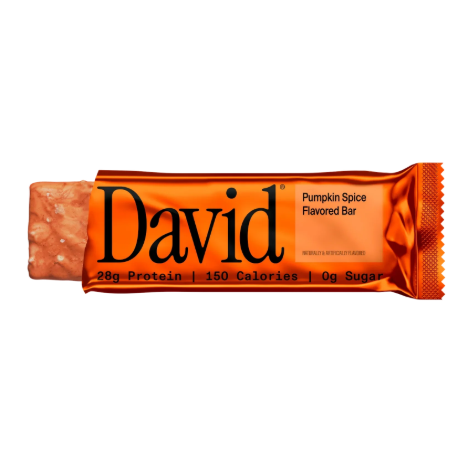
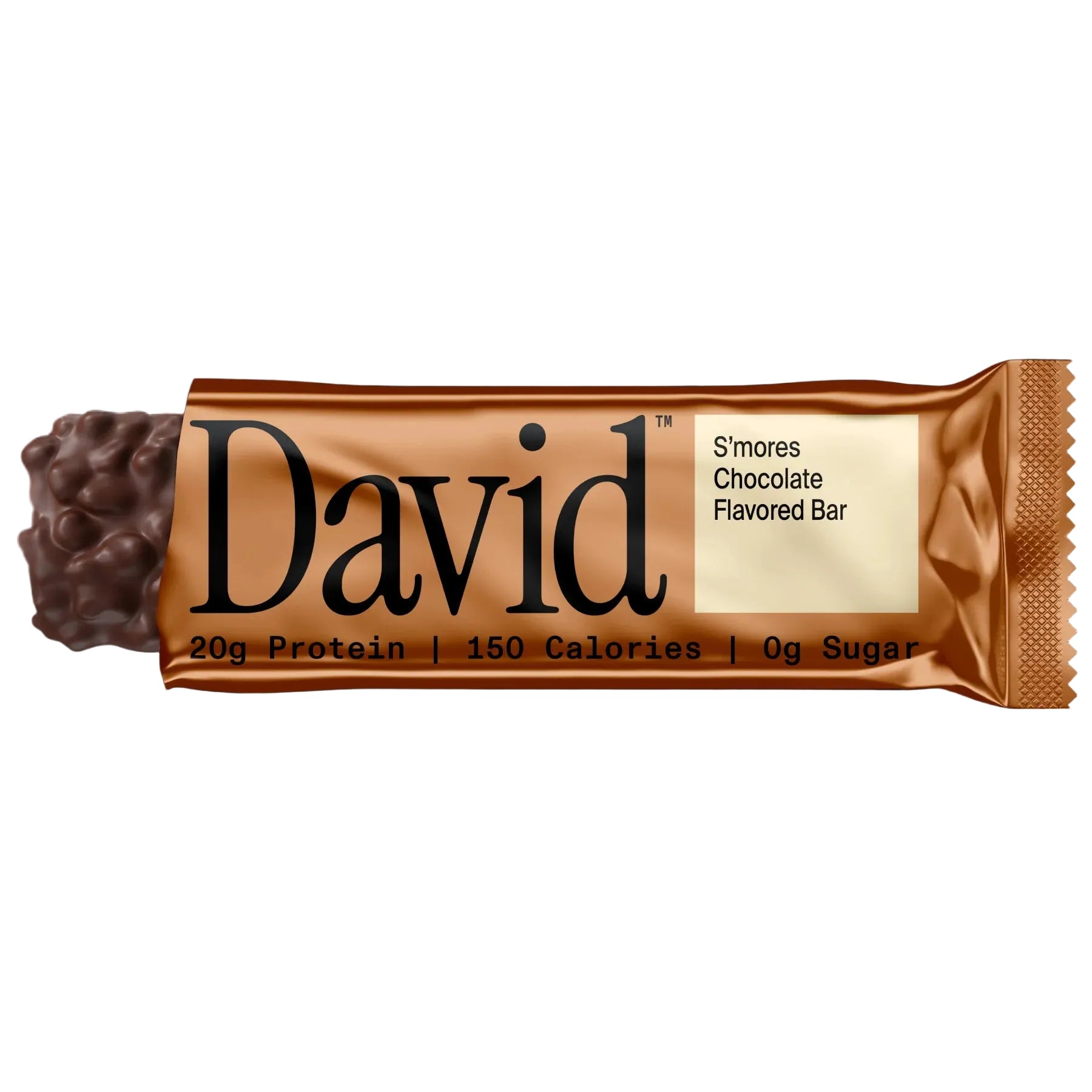
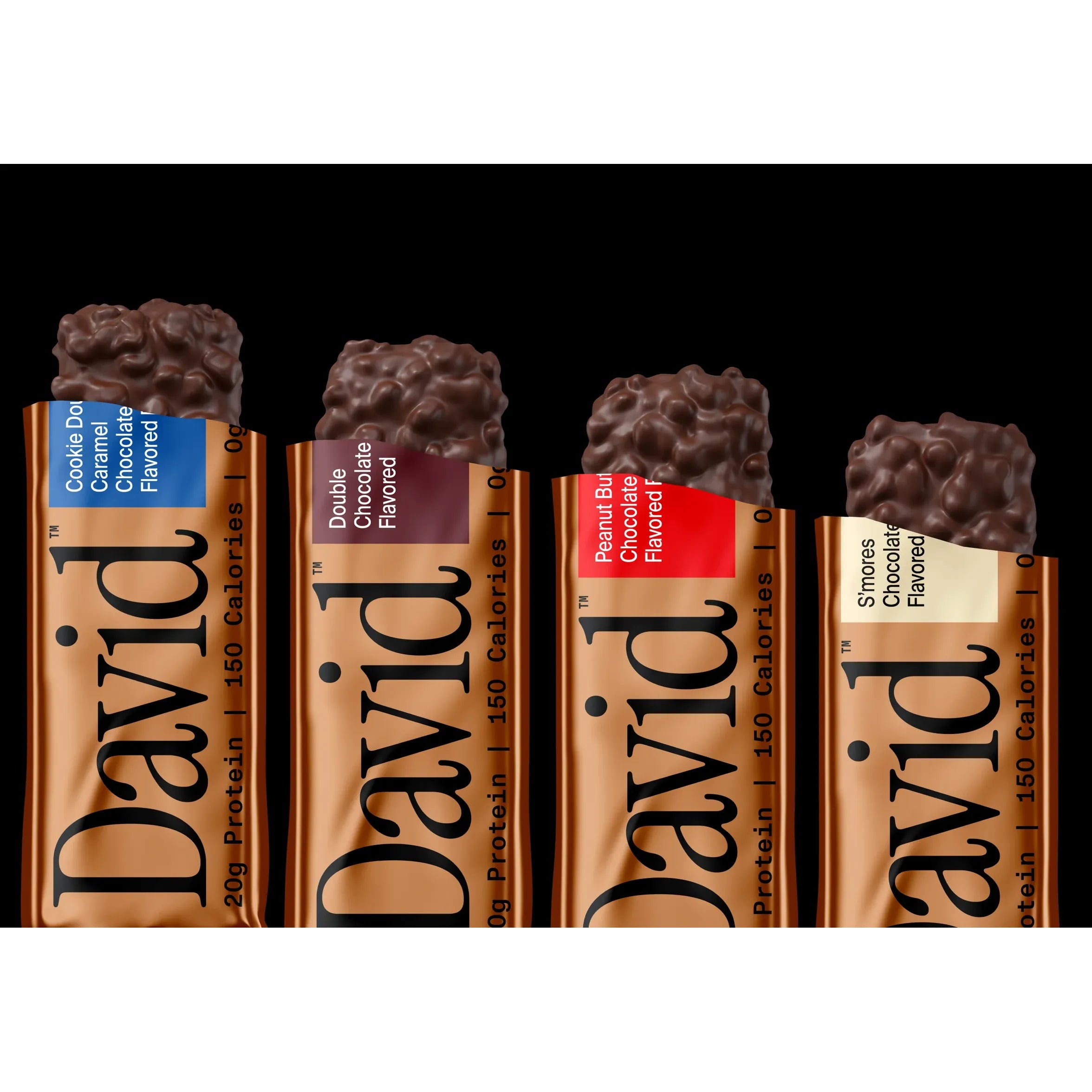
Keep hydration steady through the day, especially if you train or work physically. An electrolyte mix beats plain water when you’re sweating. For a protein top-up between meals, a bar is the easiest carry — see our protein bars and high-protein snacks, like the cult-favourite David Protein Bar (28 g protein). Collagen with vitamin C is also commonly taken in this slot — PEScience Collagen + Vitamin C or Bowmar Collagen Peptides; see collagen.
Evening & bedtime: recover and wind down
Use the evening for nutrients that support relaxation and overnight recovery. This is where magnesium shines.
- Magnesium — commonly taken 60-90 minutes before bed; glycinate is the gentlest, most absorbable form. CanPrev Magnesium Bisglycinate or Natural Stacks MagTech. For a magnesium-plus-relaxation blend, CanPrev L-Theanine with Magnesium. See sleep & recovery and sleep aids.
- Slow protein before bed (optional) — a casein-type protein provides a steady amino-acid release overnight. ALLMAX CaseinFX; see casein protein.
Keep caffeine (pre-workout, some pre-blends) out of the evening, and space magnesium away from any calcium supplement by a couple of hours.
A sample full-day routine
| Time | Take | Why |
|---|---|---|
| Breakfast | Multivitamin, vitamin D3, omega-3, greens, creatine | Foundation; fat-soluble nutrients absorb with food |
| Pre-workout | Pre-workout (optional) | Focus and output |
| During training | Electrolytes / EAAs | Hydration and muscle support on long sessions |
| Post-workout | Protein shake (20-40 g) | Repair and adaptation |
| Afternoon | Protein snack, collagen | Protein top-up; connective-tissue support |
| Before bed | Magnesium, optional casein | Relaxation, sleep and overnight recovery |
How to choose what belongs in your routine
- Start with the foundation, not the extras. A multivitamin, vitamin D, omega-3 and adequate protein cover the basics that benefit nearly everyone.
- Add training support if you train hard: creatine daily, protein after sessions, electrolytes when you sweat.
- Add magnesium in the evening if you want better sleep and recovery, or tend to cramp.
- Respect just two timing rules: fat-soluble vitamins and omega-3 with a fatty meal; caffeine only early in the day.
- Above all, be consistent. A modest stack you take every day beats a huge stack you take sporadically.
Why buy from Top Nutrition & Fitness
We’re a premium, owner-run supplement and snack shop in Montreal, open since July 2016. We taste-test and use what we stock, curate for genuine value over hype, and carry trusted Canadian brands like Bowmar, PVL, Believe, CanPrev, Prairie Naturals and ALLMAX next to proven imports. Orders ship fast across Canada with free shipping on qualifying orders, and we’re happy to help you build a routine that fits your goals — without selling you things you don’t need.
FAQ
Does the time of day I take supplements really matter?
For most, daily consistency matters far more than exact timing. The real exceptions: take fat-soluble vitamins (A, D, E, K) and omega-3 with a meal containing fat, keep caffeine to earlier in the day, and take magnesium in the evening.
When is the best time to take creatine?
Whenever you’ll remember to take it every day. Studies show similar muscle saturation whether you take creatine in the morning, pre-workout or post-workout — so pick a slot and stay consistent. See our creatine collection.
Should I take magnesium in the morning or at night?
At night is most popular, typically 60-90 minutes before bed, because magnesium supports relaxation and sleep quality. Glycinate is the gentlest, most absorbable form — see sleep & recovery.
Can I take all my supplements at once?
You can, but a few combinations absorb better spaced out: keep calcium and magnesium a couple of hours apart, and pair fat-soluble vitamins with a meal. Splitting your stack morning/evening is usually enough.
Do I need protein powder if I eat enough protein?
Not necessarily — whole foods come first. Protein powder is simply a convenient way to hit your daily target, especially after training when appetite is low. Browse protein powder and high-protein snacks.
What is the simplest effective daily stack?
For most people: a multivitamin, vitamin D and omega-3 in the morning, adequate protein through the day, creatine daily, and magnesium at night. That covers the foundations without overcomplicating things.
These products are dietary supplements and are not intended to diagnose, treat, cure, or prevent any disease. Statements have not been evaluated by Health Canada. Individual results vary; hydration, fuelling and recovery needs depend on your body weight, sweat rate, training load and the weather. Consult your healthcare provider before starting any new supplement, especially if you are pregnant, nursing, or managing a medical condition. Free shipping on qualifying Canadian orders.
Version française
A quoi ressemble une routine de supplements pour toute la journee ? Une routine simple et fondee sur la science repartit quelques supplements dans la journee selon la facon dont le corps les absorbe : le matin pour un multivitamine, la vitamine D et les omega-3 (avec un repas gras), les greens et la creatine ; autour de l’entrainement pour le pre-entrainement, les acides amines ou electrolytes pendant, et une proteine apres ; et le soir pour le magnesium et, au besoin, une proteine a digestion lente avant le coucher. Le facteur le plus important demeure la constance.
Pourquoi le moment compte (un peu) et la constance compte (beaucoup)
Pour la plupart des supplements, la constance quotidienne prime sur le moment exact. Exceptions reelles : les vitamines liposolubles (A, D, E, K) et les omega-3 s’absorbent mieux avec un repas gras ; les vitamines B conviennent au matin ; le magnesium convient au soir. Le calcium et le magnesium se concurrencent : espacez-les.
Matin : fondation et energie
Avec le petit-dejeuner : multivitamine (voyez vitamines), vitamine D3 ou vaporisateur D3, omega-3, des greens comme ALLMAX AllGreens, et de la creatine comme PVL.
Autour de l’entrainement
Avant (20-30 min) : un pre-entrainement a base de cafeine, optionnel — voyez pre-entrainement, ex. C4 Sport. Pendant : des EAA ou electrolytes pour les longues sorties — acides amines ou electrolytes, ex. Mutant GEAAR. Apres : 20-40 g de proteines, comme PEScience Select, Believe Whey Isolate ou PEScience Select Vegan — voyez proteines en poudre.
Midi et apres-midi
Maintenez l’hydratation et ajoutez une collation proteinee au besoin : barres proteinees et collations riches en proteines, comme David Protein Bar. Le collagene avec vitamine C se prend souvent a ce moment.
Soir et coucher
Le magnesium se prend souvent 60-90 minutes avant le coucher ; le bisglycinate est la forme la plus douce — CanPrev Bisglycinate ou MagTech ; voyez sommeil et recuperation. Une proteine lente (caseine) avant le coucher est optionnelle : ALLMAX CaseinFX, voyez caseine. Evitez la cafeine le soir.
Comment choisir
- Commencez par la fondation (multivitamine, vitamine D, omega-3, proteines).
- Ajoutez le soutien d’entrainement si vous vous entrainez fort.
- Ajoutez le magnesium le soir pour le sommeil et la recuperation.
- Respectez deux regles : liposolubles avec un repas gras, cafeine tot.
- Soyez constant avant tout.
Pourquoi acheter chez Top Nutrition & Fitness
Boutique haut de gamme de supplements et collations a Montreal depuis juillet 2016. Nous testons ce que nous vendons, privilegions la valeur, et offrons des marques canadiennes (Bowmar, PVL, Believe, CanPrev, Prairie Naturals, ALLMAX) avec expedition rapide partout au Canada et livraison gratuite sur les commandes admissibles.
FAQ
Le moment de la journee compte-t-il vraiment ? La constance prime, sauf : liposolubles et omega-3 avec un repas gras, cafeine tot, magnesium le soir.
Quand prendre la creatine ? Au moment ou vous y penserez chaque jour ; la saturation est equivalente matin, avant ou apres l’entrainement.
Magnesium le matin ou le soir ? Le soir, 60-90 minutes avant le coucher, pour soutenir la detente et le sommeil.
Puis-je tout prendre en meme temps ? Oui, mais espacez calcium et magnesium de quelques heures et prenez les liposolubles avec un repas.
Ai-je besoin de proteines en poudre ? Pas forcement ; les aliments d’abord. La poudre est pratique pour atteindre votre cible quotidienne.
Quelle est la routine efficace la plus simple ? Multivitamine, vitamine D et omega-3 le matin, assez de proteines, creatine chaque jour, magnesium le soir.
Ces produits sont des supplements alimentaires et ne sont pas destines a diagnostiquer, traiter, guerir ni prevenir une quelconque maladie. Les declarations n’ont pas ete evaluees par Sante Canada. Les resultats varient d’une personne a l’autre; vos besoins en hydratation, en glucides et en recuperation dependent de votre poids, de votre taux de transpiration, de votre charge d’entrainement et de la meteo. Consultez un professionnel de la sante avant de commencer un nouveau supplement, surtout en cas de grossesse, d’allaitement ou de probleme de sante. Livraison gratuite sur les commandes canadiennes admissibles.
New Arrivals