Best Supplements for Runners in Canada (2026): Hydration, Fuel & Recovery Guide
What are the best supplements for runners in Canada? The supplements with the strongest evidence for runners fall into three jobs: hydration (electrolytes, especially sodium, lost in sweat), fuel (carbohydrate during runs longer than 60-90 minutes, plus caffeine for a measurable endurance edge), and recovery (protein to rebuild, plus everyday basics like creatine, magnesium, omega-3 and vitamin D). Most casual runners only need an electrolyte mix and a protein source; the rest are add-ons you layer in as your weekly mileage climbs.
What runners actually need (and what they don’t)
Running burns through three things faster than almost any other sport: water and electrolytes through sweat, stored carbohydrate (glycogen) for energy, and muscle tissue that has to be rebuilt afterward. The supplement industry sells dozens of products to runners, but only a handful are backed by good human research. The International Olympic Committee’s expert panel found compelling evidence for just five performance supplements across all sports — caffeine, creatine, beta-alanine, dietary nitrate and sodium bicarbonate — and for endurance runners the day-to-day winners are even simpler: electrolytes, carbohydrate fuel, protein, and a few foundational micronutrients.
We’ve run this store in Montreal since 2016 and personally use most of what we carry. Below is the honest version: what each category does, when it matters, and which in-stock products we’d actually hand a runner walking through the door.
1. Hydration & electrolytes — the one most runners get wrong
Water alone is not enough once you sweat for more than 45-60 minutes. Sodium is the electrolyte you lose in the largest amount — research puts sweat sodium losses at roughly 800-2,000 mg per hour depending on your sweat rate and the heat. Sodium is the main driver of fluid balance and the electrolyte most linked to cramping and performance, so it should be your priority; potassium and magnesium matter too but are lost in much smaller amounts. A useful target for a sports hydration drink is around 200-1,000 mg of sodium per serving, with some carbohydrate if the run is long.
When to use electrolytes
- Runs under 45 minutes: water is usually fine.
- 45-90 minutes, or any hot/humid day: add an electrolyte mix.
- 90+ minutes or heavy sweaters: electrolytes plus carbohydrate.
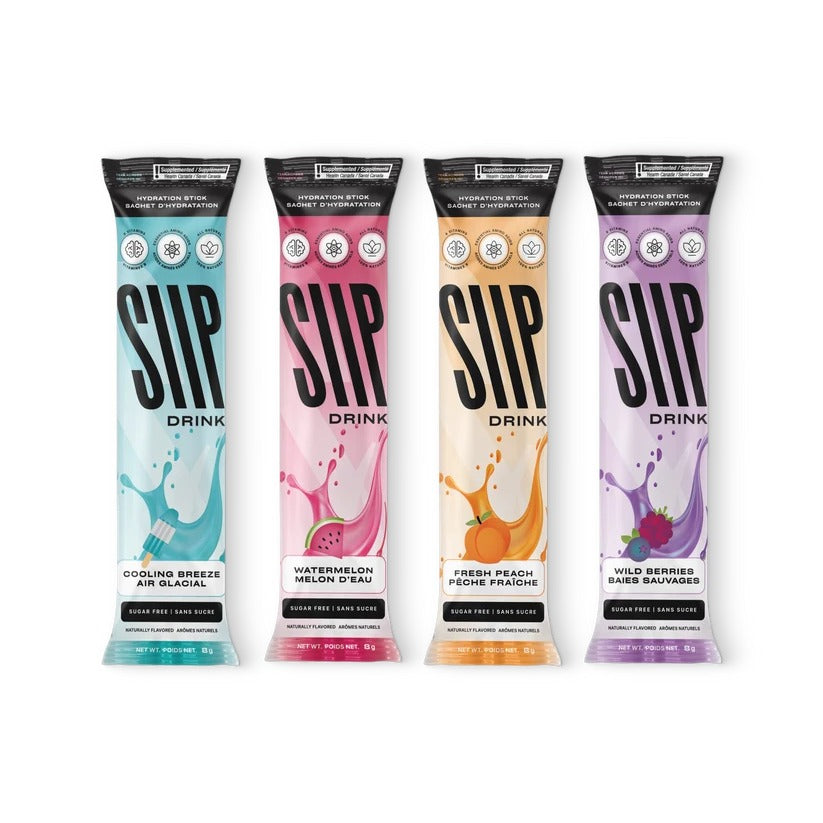
Browse the full range in our electrolytes, sport gels & hydration collection. Our most-recommended picks:
- Nuun Sport electrolyte tablets — drop-in tabs that are perfect for tossing in a running pack; light flavour, low sugar.
- ALLMAX Carbion+ — combines electrolytes with cluster-dextrin carbohydrate, so it doubles as in-run fuel on long efforts.
- PVL Pro H2O rapid hydration mix — a rapid-absorption oral-rehydration-style formula for hot-weather training.
2. In-run fuel — carbohydrate for the long stuff
Your muscles and liver store only enough glycogen for roughly 90 minutes of hard running. Past that point, taking in carbohydrate during the run keeps your pace and your focus from falling off a cliff (the classic "bonk"). For runs longer than about 75-90 minutes, aim to drink or eat carbohydrate every 30-45 minutes.
- SiS GO Isotonic Energy Gel — an isotonic gel you can take without chasing it with water, which is exactly what you want mid-race. A staple in marathon and trail kits.
- ALLMAX Carbion+ — again, doubles as fuel + hydration in one bottle.
What about caffeine?
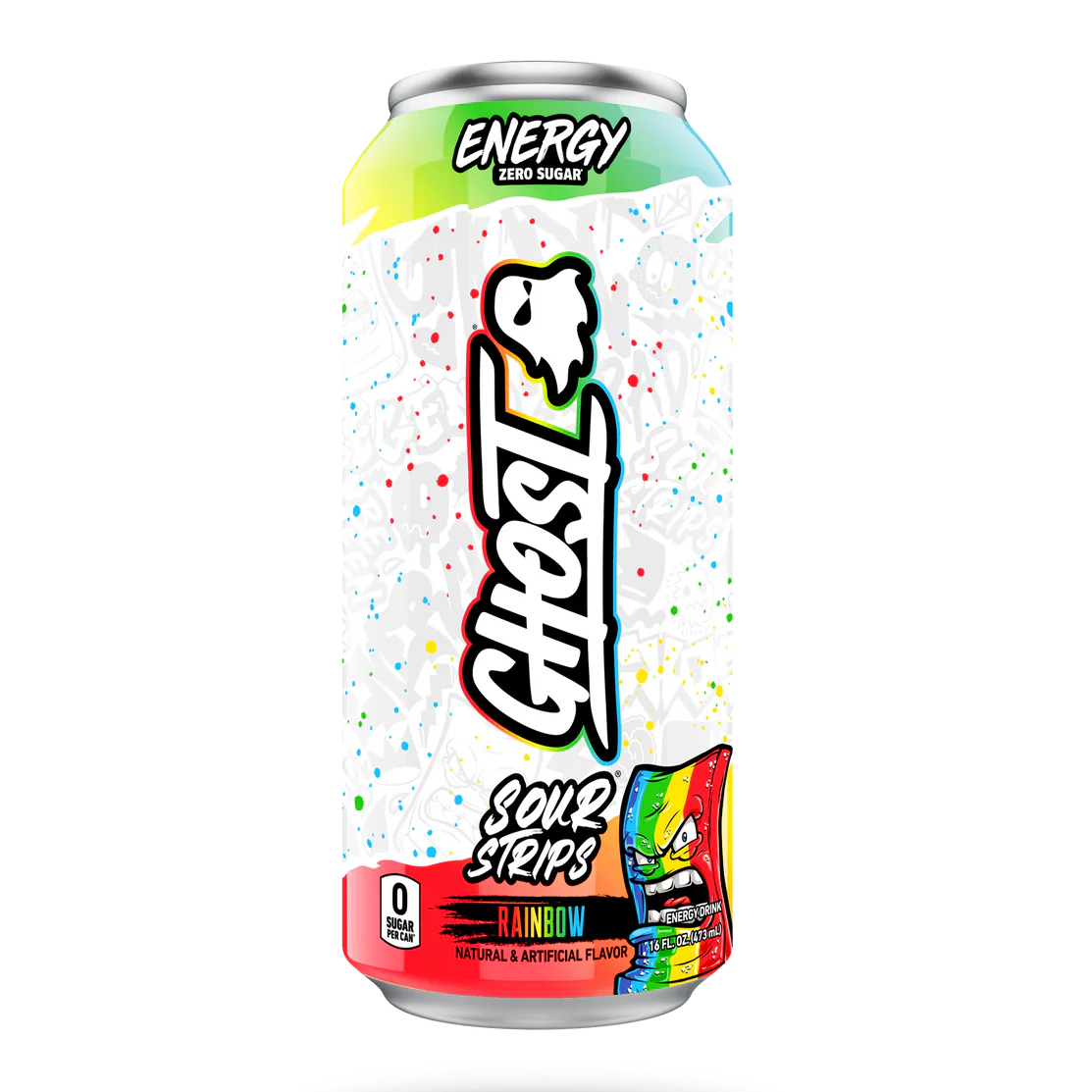
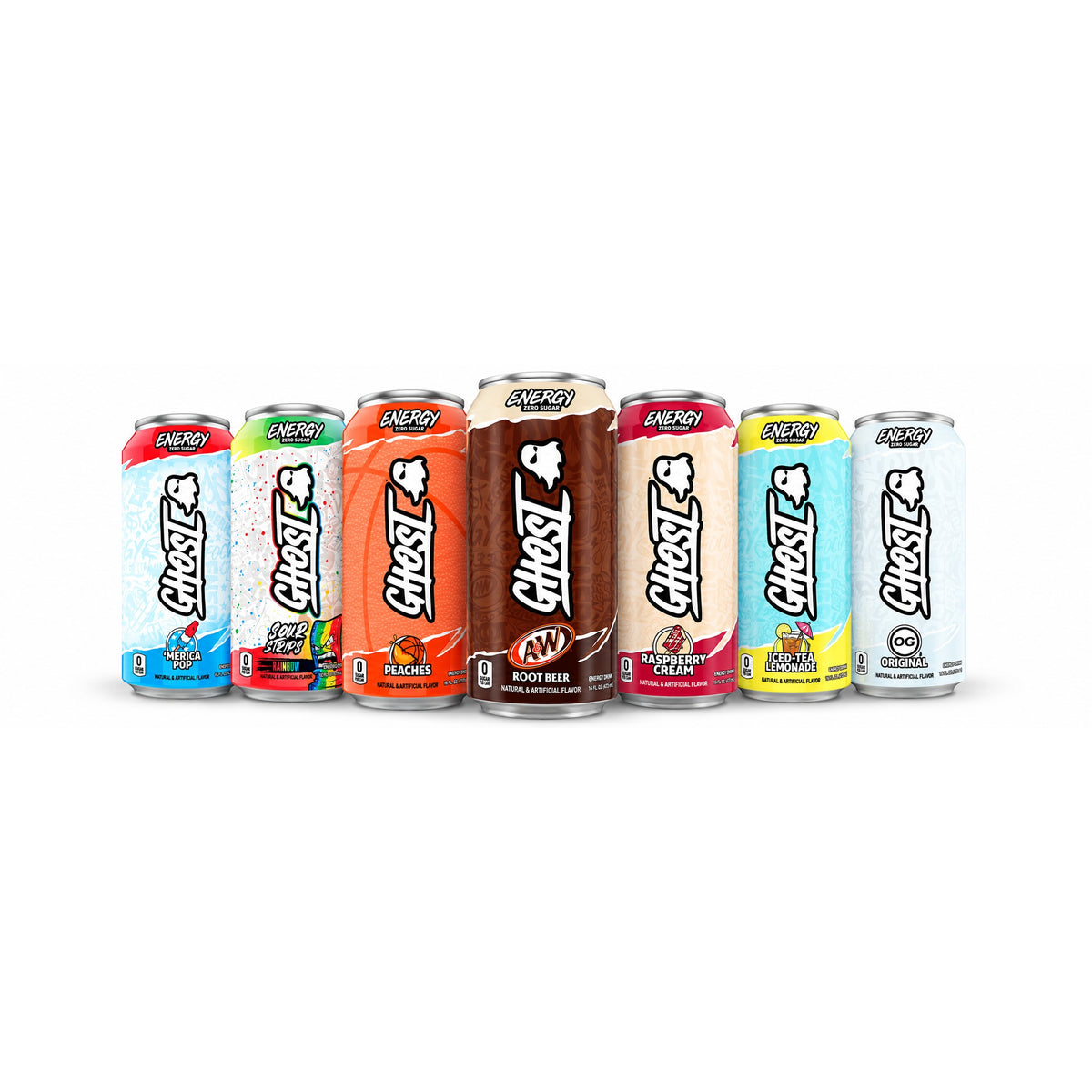
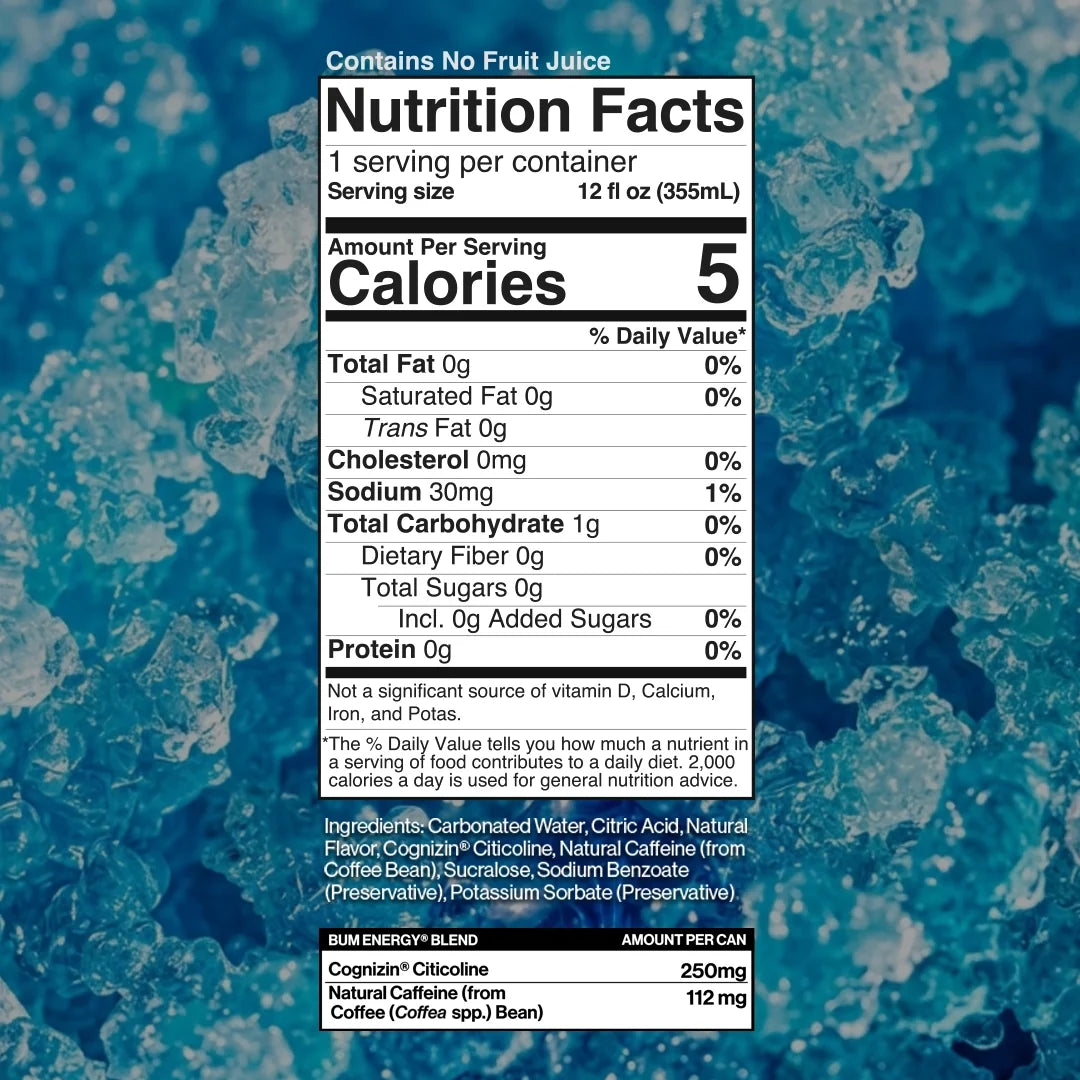
Caffeine is one of the most reliably effective endurance aids in the research — modest doses improve time-trial performance and push back the point of exhaustion. Many runners get it from a coffee before a session or from caffeinated gels and pre-workouts. If you use a pre-workout, treat it as optional and start with a half scoop to gauge tolerance; see our pre & intra-workout and pre-workout collections. Cellucor C4 Sport is a lighter, NSF-aware option that suits runners who don’t want a heavy stimulant load.
3. Recovery — protein and the daily basics
After a hard run, protein gives your muscles the amino acids to repair and adapt. A common target is 20-40 g of protein within a few hours of finishing, paired with some carbohydrate to refill glycogen. A whey or plant protein shake is the easiest way to hit that without forcing a full meal on a churning stomach.
- PEScience Select Protein — a whey-casein blend that tastes like dessert and digests comfortably; a long-time best-seller here.
- Believe Whey Protein Isolate — a leaner, fast-digesting Canadian isolate for right after the run.
- PEScience Select Vegan Protein — a plant option for runners avoiding dairy.
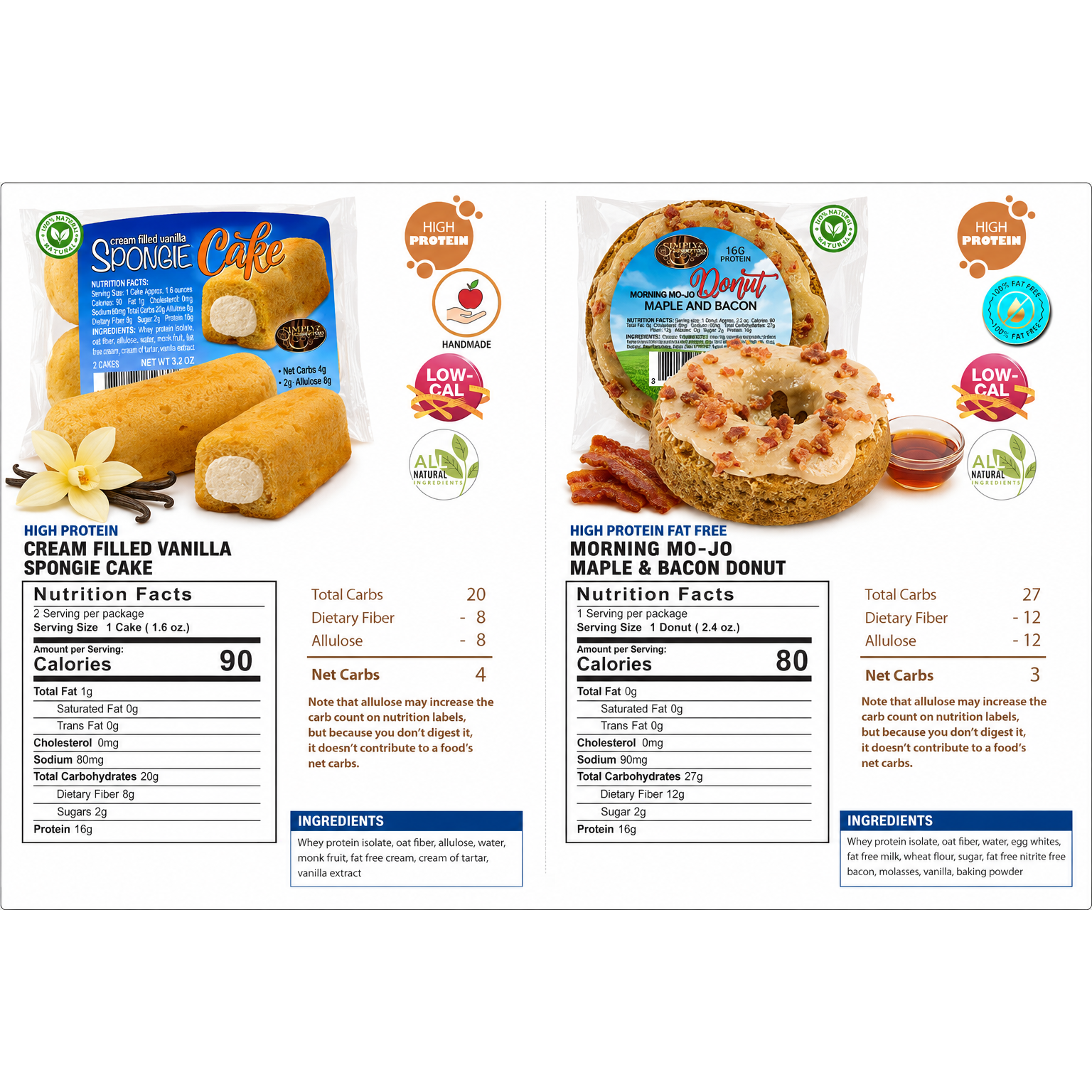
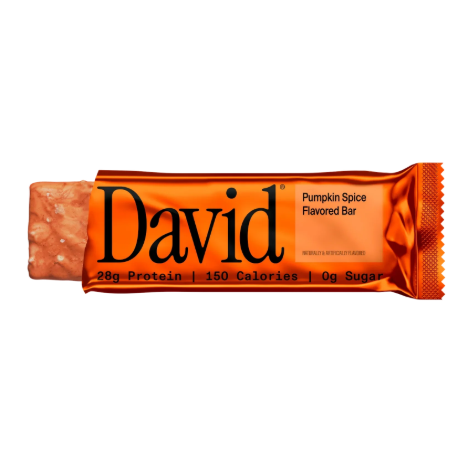
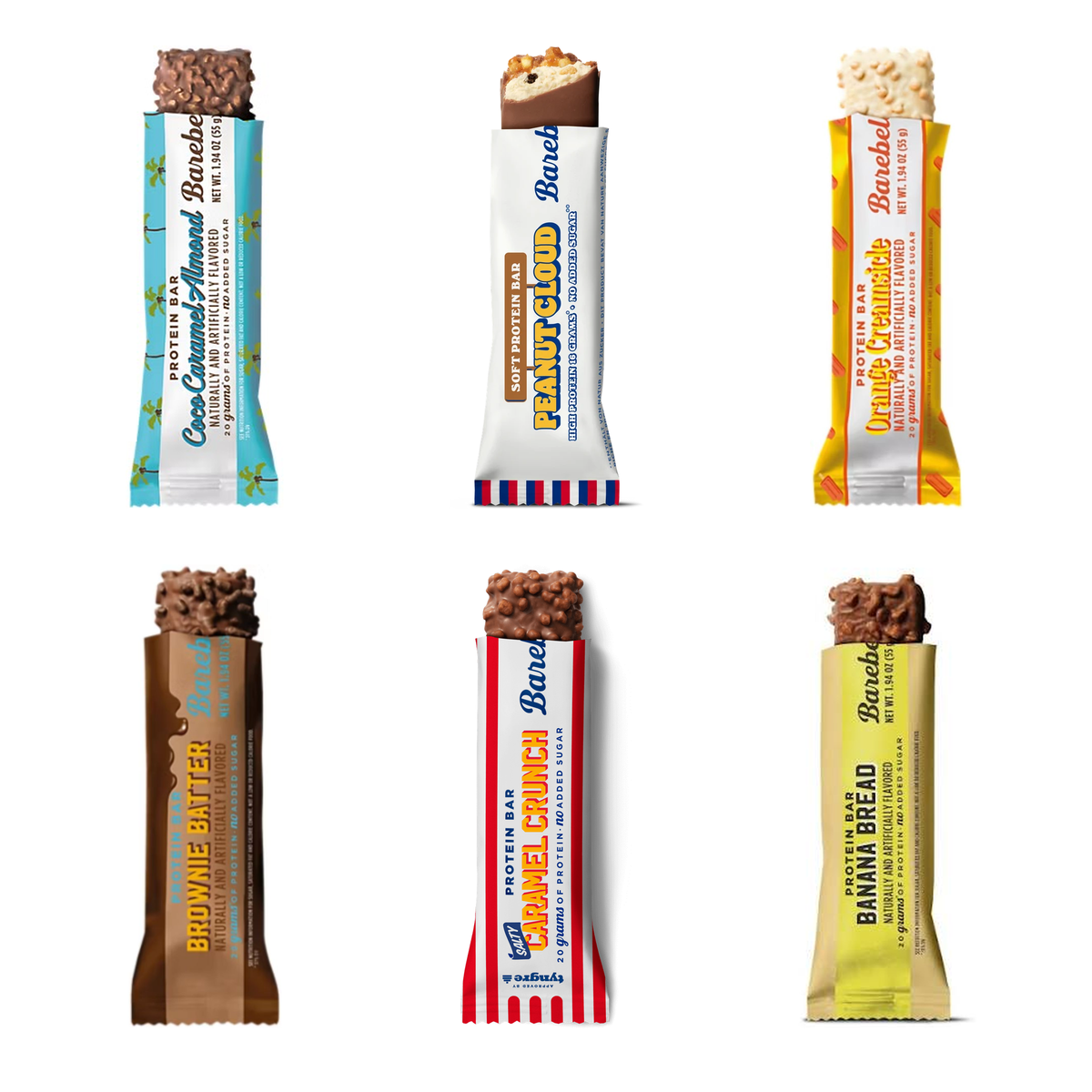
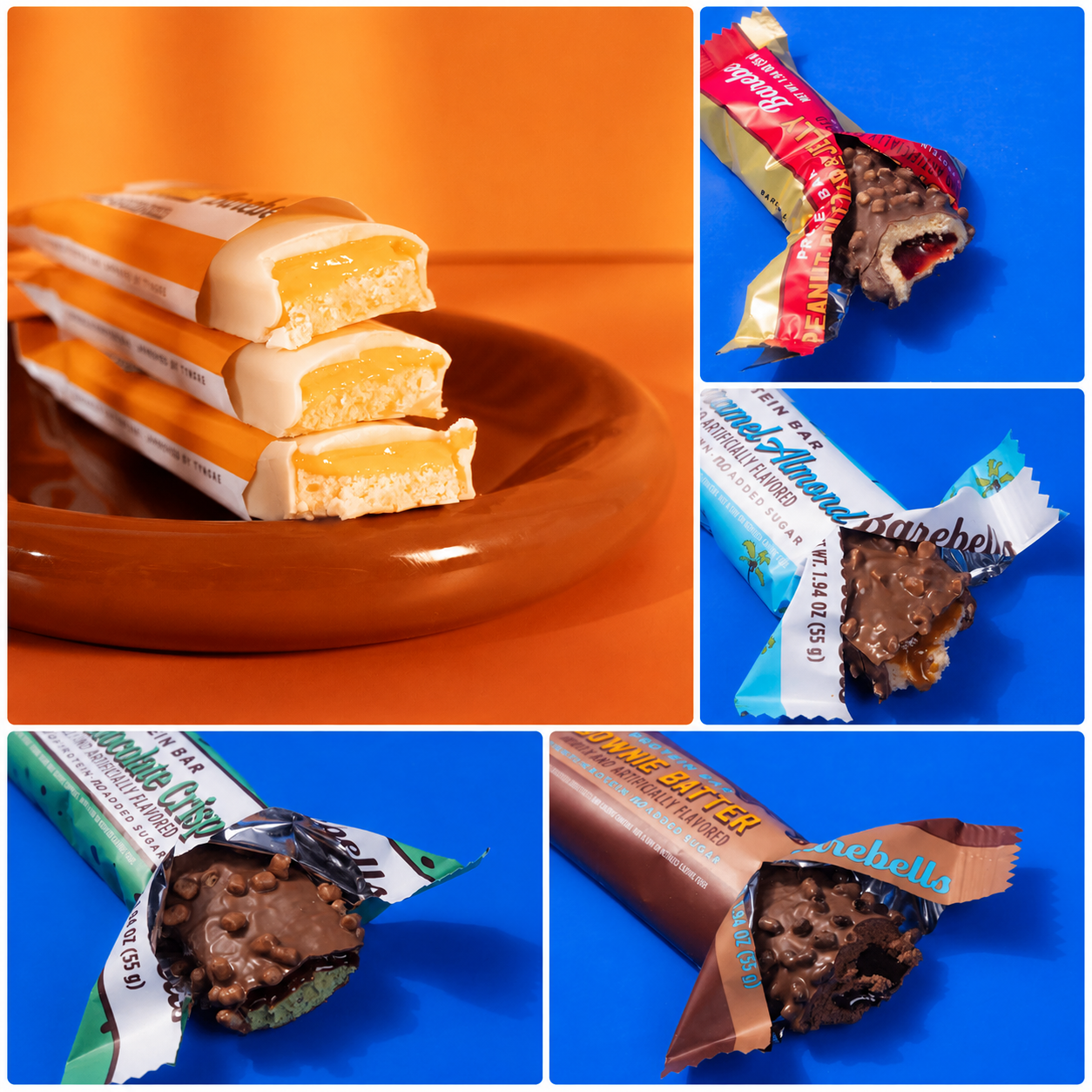
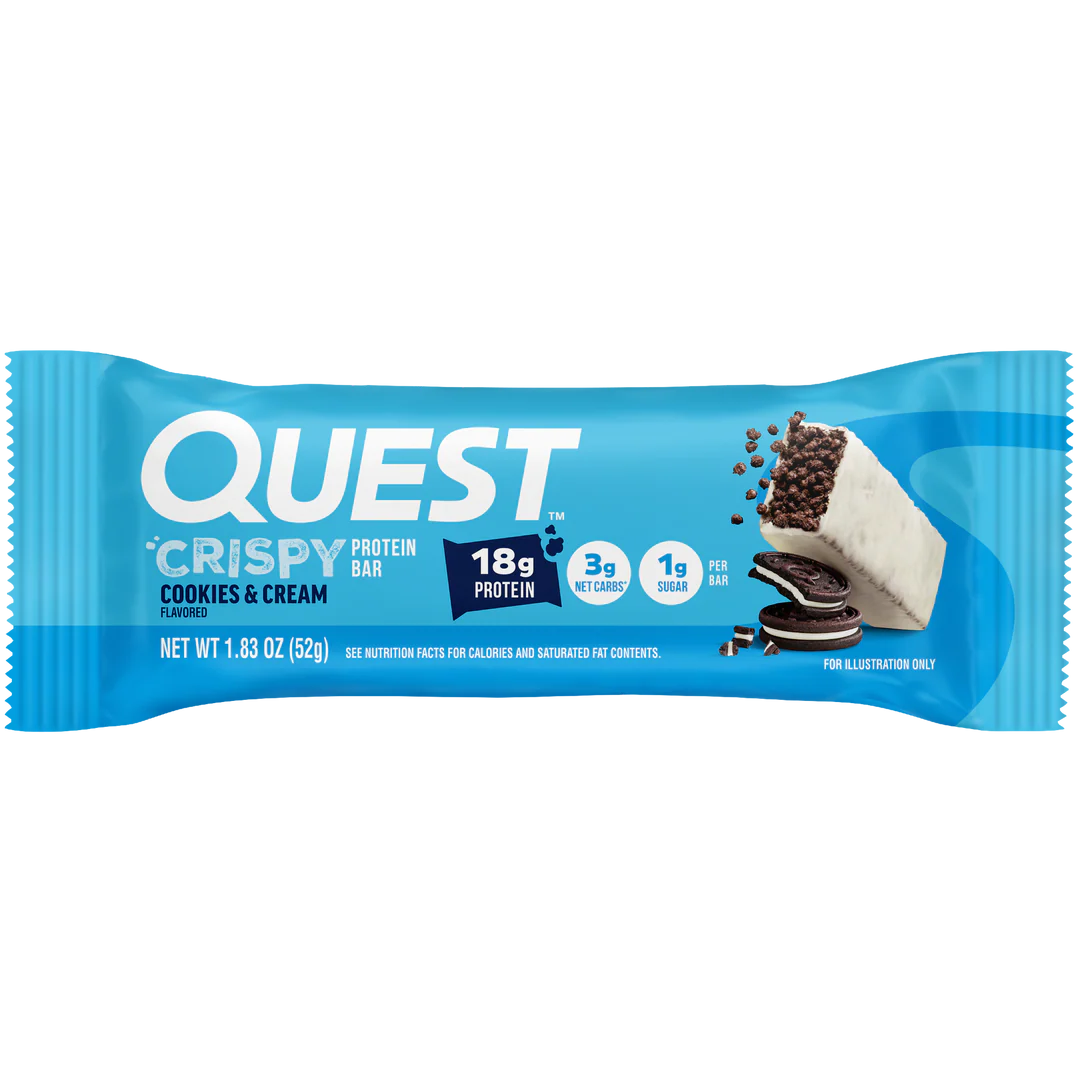
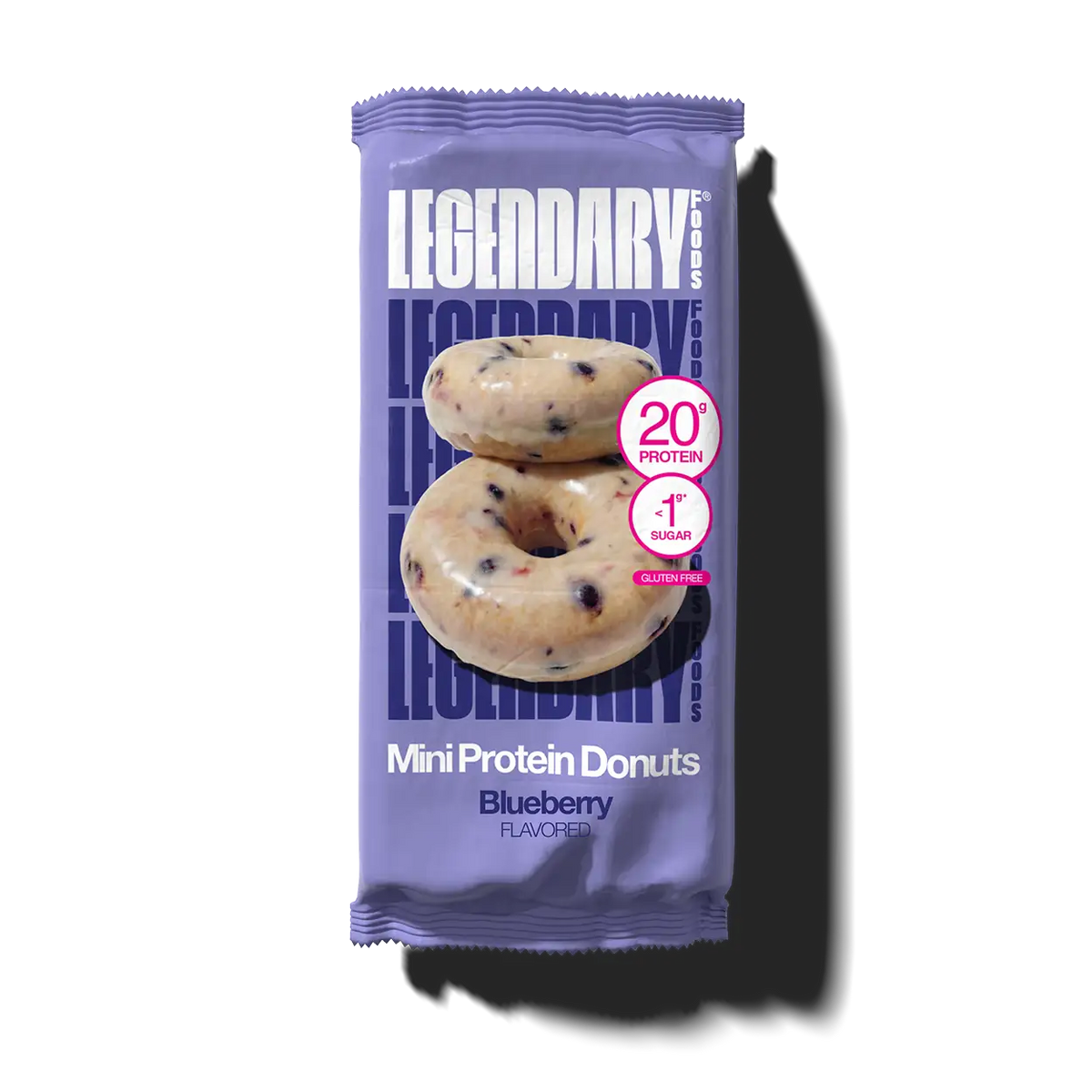
Explore more in protein powder, whey isolate and vegan protein. Prefer a bar on the move? Our protein bars and high-protein snacks are owner-taste-tested.
Creatine for runners
Creatine isn’t just for lifters. It supports the short, hard efforts inside a run — hills, surges, sprint finishes — and helps with strength work and recovery. It’s one of the most researched supplements in existence. Timing barely matters; daily consistency is what keeps your muscles saturated. See our creatine collection — PVL pure creatine monohydrate, or the flavoured Bowmar Creatine.
Joints, connective tissue & everyday support
Repetitive impact is the reality of running, so connective-tissue and general-wellness support is popular among higher-mileage runners. Collagen with vitamin C is a common choice; omega-3, vitamin D and magnesium round out the basics that many Canadians run low on, especially through our long winters.
- PEScience Collagen Peptides + Vitamin C or North Coast Naturals Bovine Collagen — see all collagen.
- ALLMAX Collagen Peptides + Biotin & Vitamin C — 10 g hydrolyzed types I, II & III per serving, with the vitamin C your body uses to build connective tissue; stirs into coffee without clumping.
- ALLMAX Omega-3 for everyday EPA/DHA — browse omega options in store.
Comparison: matching the supplement to the run
| Run / goal | What to reach for | Format | Why |
|---|---|---|---|
| Hot-day / sweaty session | Nuun Sport tablets | Drop-in tablet | Replaces sodium without much sugar |
| Long run / race, 90+ min | SiS GO Isotonic Gel + electrolytes | Gel + drink | Carbohydrate fuel you can take without water |
| Hydration + fuel in one | ALLMAX Carbion+ | Mix-in powder | Cluster-dextrin carbs plus electrolytes |
| Post-run recovery | PEScience Select Protein | Shake | 20-40 g protein to rebuild muscle |
| Daily foundation | Creatine + omega-3 + magnesium | Capsule / powder | Strength, recovery, everyday basics |
| Joint & connective support | ALLMAX Collagen + Biotin | Mix-in powder | 10 g collagen peptides + vitamin C for tendons and everyday recovery |
How to choose your runner’s stack
- Start with hydration. If you buy one thing, make it an electrolyte mix. Pick sugar-free for daily use, or a carb-plus-electrolyte formula for long runs.
- Add fuel only when runs pass ~75-90 minutes. Below that, you don’t need a gel. Above it, practise fuelling in training before race day.
- Cover recovery with protein. A single tub of protein powder does more for most runners than a shelf of niche pills.
- Layer in the basics if you train often: creatine, omega-3, vitamin D and magnesium are cheap, well-researched and easy to take daily.
- Skip the hype. "Fat burners" and exotic blends aren’t what makes runners faster — consistent fuelling, hydration and sleep are.
Why buy from Top Nutrition & Fitness
We’re a premium, owner-run supplement and snack shop in Montreal, open since July 2016. We personally taste-test and use what we sell, we curate for value rather than chasing every trend, and we stock Canadian brands like BioSteel, Bowmar, PVL, Believe and ALLMAX alongside proven imports. Orders ship fast across Canada with free shipping on qualifying orders, and if you’re not sure what your training actually needs, we’ll tell you straight — including when the answer is "you don’t need that."
FAQ
What is the single most important supplement for runners?
For most runners it’s an electrolyte/hydration mix. Once you sweat for more than 45-60 minutes, replacing sodium does more for your performance and comfort than any pill. Start there with our electrolytes & hydration range.
Do I need carbohydrate gels for a 5K or 10K?
Generally no. Your glycogen stores cover roughly 90 minutes of hard running, so most 5K and 10K efforts don’t require in-run fuel. Gels become useful for longer training runs, half-marathons and marathons.
When should I take protein after a run?
Aim for 20-40 g of protein within a few hours of finishing, ideally with some carbohydrate. A shake like PEScience Select Protein is the easiest way to hit that when your appetite is suppressed after a hard effort.
Is creatine useful for distance runners?
Yes — it supports the high-intensity moments inside a run (hills, surges, finishing kicks) and aids strength and recovery work. It causes a small amount of water retention, which is why some racers reduce it close to peak events, but for training it’s one of the safest, most studied options. See our creatine collection.
How much sodium do runners lose in sweat?
Roughly 800-2,000 mg of sodium per litre of sweat, varying widely by person and conditions. That’s why a sports hydration drink typically carries 200-1,000 mg of sodium per serving — plain water can’t replace it.
Are pre-workouts safe for running?
Caffeine-based pre-workouts can give a real endurance edge, but they’re optional. Start with a half serving to judge tolerance, avoid them late in the day, and choose a lighter-stimulant, sport-focused option like Cellucor C4 Sport if you’re sensitive.
These products are dietary supplements and are not intended to diagnose, treat, cure, or prevent any disease. Statements have not been evaluated by Health Canada. Individual results vary; hydration, fuelling and recovery needs depend on your body weight, sweat rate, training load and the weather. Consult your healthcare provider before starting any new supplement, especially if you are pregnant, nursing, or managing a medical condition. Free shipping on qualifying Canadian orders.
Version française
Quels sont les meilleurs supplements pour les coureurs au Canada ? Les supplements les mieux appuyes par la science pour la course se classent en trois roles : l’hydratation (electrolytes, surtout le sodium perdu dans la sueur), le carburant (glucides pendant les sorties de plus de 60-90 minutes, plus la cafeine pour un gain d’endurance mesurable) et la recuperation (proteines pour reconstruire, plus des bases quotidiennes comme la creatine, le magnesium, les omega-3 et la vitamine D). La plupart des coureurs occasionnels n’ont besoin que d’un melange d’electrolytes et d’une source de proteines ; le reste s’ajoute a mesure que le kilometrage augmente.
1. Hydratation et electrolytes
L’eau seule ne suffit pas des que vous transpirez plus de 45-60 minutes. Le sodium est l’electrolyte perdu en plus grande quantite (environ 800-2 000 mg par heure selon votre taux de sudation et la chaleur) et c’est le principal moteur de l’equilibre hydrique et le plus lie aux crampes. Visez 200 a 1 000 mg de sodium par portion de boisson sportive. Voyez notre collection electrolytes, gels et hydratation. Nos choix : Nuun Sport, ALLMAX Carbion+ et PVL Pro H2O.
2. Carburant pendant la course
Vos reserves de glycogene ne couvrent qu’environ 90 minutes de course intense. Au-dela, consommez des glucides toutes les 30-45 minutes pour eviter le "mur". Essayez le gel SiS GO Isotonic (isotonique, sans besoin d’eau) ou ALLMAX Carbion+. La cafeine est l’un des aides a l’endurance les plus fiables ; voyez nos collections pre/intra-entrainement et pre-entrainement, comme Cellucor C4 Sport.
3. Recuperation : proteines et bases quotidiennes
Apres une sortie difficile, visez 20-40 g de proteines en quelques heures, avec des glucides. Essayez PEScience Select Protein, Believe Whey Isolate ou PEScience Select Vegan. Voyez proteines en poudre, barres proteinees et collations riches en proteines. La creatine soutient les efforts courts et intenses ainsi que la recuperation : voyez la collection creatine. Pour le soutien des articulations et les bases (collagene, omega-3, magnesium, vitamine D), voyez collagene, vitamines et sommeil et recuperation.
Comment choisir votre routine de coureur
- Commencez par l’hydratation : un melange d’electrolytes d’abord.
- Ajoutez du carburant seulement au-dela d’environ 75-90 minutes.
- Couvrez la recuperation avec des proteines.
- Si vous vous entrainez souvent : creatine, omega-3, vitamine D et magnesium.
- Ignorez le battage : la constance, l’hydratation et le sommeil priment.
Pourquoi acheter chez Top Nutrition & Fitness
Nous sommes une boutique de supplements et de collations haut de gamme a Montreal, ouverte depuis juillet 2016. Nous testons et utilisons ce que nous vendons, nous privilegions la valeur plutot que les modes, et nous offrons des marques canadiennes (BioSteel, Bowmar, PVL, Believe, ALLMAX) avec une expedition rapide partout au Canada et la livraison gratuite sur les commandes admissibles.
FAQ
Quel est le supplement le plus important pour les coureurs ? Pour la plupart, un melange d’electrolytes ; remplacer le sodium prime des que vous transpirez plus de 45-60 minutes.
Ai-je besoin de gels pour un 5 ou 10 km ? Generalement non ; vos reserves couvrent environ 90 minutes. Les gels deviennent utiles pour le demi-marathon et le marathon.
Quand prendre des proteines apres une course ? Visez 20-40 g en quelques heures, idealement avec des glucides.
La creatine est-elle utile pour la longue distance ? Oui, pour les efforts intenses (cotes, accelerations, sprint final) et la recuperation ; c’est l’un des supplements les plus etudies.
Combien de sodium les coureurs perdent-ils ? Environ 800-2 000 mg par litre de sueur, d’ou des boissons sportives a 200-1 000 mg par portion.
Les pre-entrainements sont-ils securitaires pour la course ? La cafeine peut aider, mais c’est optionnel ; commencez par une demi-portion et choisissez une option plus legere comme C4 Sport si vous y etes sensible.
Ces produits sont des supplements alimentaires et ne sont pas destines a diagnostiquer, traiter, guerir ni prevenir une quelconque maladie. Les declarations n’ont pas ete evaluees par Sante Canada. Les resultats varient d’une personne a l’autre; vos besoins en hydratation, en glucides et en recuperation dependent de votre poids, de votre taux de transpiration, de votre charge d’entrainement et de la meteo. Consultez un professionnel de la sante avant de commencer un nouveau supplement, surtout en cas de grossesse, d’allaitement ou de probleme de sante. Livraison gratuite sur les commandes canadiennes admissibles.
New Arrivals