The Complete GLP-1 Nutrition Support Guide (Canada 2026): Protein, Creatine, Electrolytes, Magnesium, B12, Fibre & Ginger
Q: I just started Ozempic, Wegovy or Mounjaro and I am eating way less — what should I actually focus on nutritionally?
A: GLP-1 medications work partly by curbing appetite, so many people eat roughly 20% fewer calories. Eating less is the point — but it also means less room for the protein, vitamins, minerals and fluid your body still needs every day. The goal of this guide is simple: help you protect muscle, stay hydrated, cover common nutrient gaps and keep your digestion comfortable while your appetite is low. Below are the seven nutrition pillars that matter most, each with in-stock Canadian picks and links to our deeper how-to guides.
General information, not medical advice. We sell food and supplements, not medication, and nothing here diagnoses, treats, cures or prevents any condition or causes weight loss. Talk to your prescriber, pharmacist or a registered dietitian about your own plan — especially before adding or changing supplements. This content is not affiliated with or endorsed by the makers of any GLP-1 medication.
The seven pillars at a glance
When you can only eat a little, every bite has to work harder. These are the seven areas we focus on for GLP-1 nutrition support — and we have gathered every in-stock product below into one curated shelf: the GLP-1 & Weight-Loss Medication Nutrition Support collection.
- Protein — protect muscle and stay fuller for longer.
- Creatine, HMB & essential aminos — help hold onto lean muscle during weight loss.
- Electrolytes & hydration — you are drinking less, so top up sodium, potassium and magnesium.
- Magnesium — a mineral that is easy to run low on when you eat less.
- Vitamin B12 & B-vitamins — support normal energy metabolism.
- Fibre, greens & digestion — keep things comfortable and regular.
- Ginger — a food-first friend for queasy days.
1) Protein: protect muscle and stay full
This is the single most important pillar. When you lose weight quickly, some of that loss can come from muscle unless you give your body enough protein and a reason to keep it. A common target is around 1.2–2.0 g of protein per kilogram of body weight per day, which is hard to hit on a shrunken appetite — so protein-dense foods and shakes do a lot of the heavy lifting. A whey or whey-casein blend is an easy win: PEScience Select Protein delivers 24 g of protein for only ~110–120 calories per scoop with added leucine, and Optimum Nutrition Gold Standard 100% Whey gives 24 g per scoop from a whey-isolate base. On days a shake is too much, a bar covers a lot of ground: the David protein bar packs 28 g of protein in 150 calories with 0 g sugar, and a Grenade Carb Killa brings ~20 g of protein with under 2 g of sugar.


Want the full playbook? Read Preserving Muscle on GLP-1 Medications and How to Get Enough Protein on Ozempic or Wegovy When You Can’t Eat Much.
2) Creatine, HMB & essential aminos
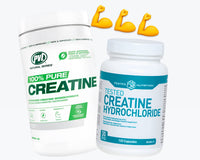
Protein supplies the building blocks; these help you keep the muscle you have. Creatine monohydrate is the most-researched sports supplement there is — a simple 5 g a day (as in ALLMAX Micronized Creatine) supports strength and lean mass, and it does not need to be taken around a workout. HMB (in Allmax HMB 3000) is a leucine metabolite studied for reducing muscle breakdown, which is especially relevant during a calorie deficit. And essential amino acids like MUTANT GEAAR EAAs give you all nine EAAs in a few sips on days solid food is a struggle.


New to these? See What Is Creatine? and BCAA vs EAA: A Beginner’s Guide.
3) Electrolytes & hydration
Eating and drinking less by design means it is easy to quietly run low on fluid and electrolytes (sodium, potassium, magnesium) — a big reason for the low-energy, light-headed feeling some people notice early on. A low- or no-sugar electrolyte in your water makes it easier to actually hit your fluid goal. BioSteel Hydration Mix and PVL Pro H20 are both sugar-free, and Nuun Sport tablets drop straight into a water bottle.


More on this in Managing GLP-1 Side Effects with Nutrition: Fibre, Hydration & Electrolytes.
4) Magnesium
Magnesium is involved in hundreds of processes — muscle and nerve function, energy metabolism, sleep quality — and it is one of the minerals people most easily fall short on when their food intake drops. For everyday support, a well-absorbed bisglycinate form is gentle on the stomach: CanPrev Magnesium Bis-Glycinate 200 Gentle provides 200 mg of elemental magnesium per capsule, and ITL Health PrizMAG is another bisglycinate option. If you also want zinc and B6, Tested Nutrition ZMA combines all three for evening recovery.


One honest distinction: the everyday magnesium above is bisglycinate, chosen for absorption and comfort. That is different from magnesium citrate, which a pharmacist may suggest specifically for short-term constipation relief — a pharmacy pick-up we do not stock. For the constipation angle, see GLP-1 Constipation: The Complete Nutrition Fix, and for the sleep angle, Magnesium Glycinate for Sleep.
5) Vitamin B12 & B-vitamins
B12 and the wider B-complex help your body turn food into energy and support normal nerve function. Because B12 comes mainly from animal foods and your total intake is smaller on a GLP-1, it is an easy one to let slip — and low B12 can show up as fatigue. A once-daily tablet is a simple insurance policy: SWISS Natural Vitamin B12 provides 1000 mcg per tablet. Prefer gummies or a broader B-complex? Herbaland Vegan D3 & B12 gummies and Orange Naturals B Complex are easy options.


6) Fibre, greens & digestion
Slower digestion is part of how GLP-1 medications work, so constipation and general gut discomfort are among the most common complaints. Gentle, food-first fibre and a little digestive support go a long way. A greens blend such as Allmax Allgreens+ stirs into water on days you can barely eat; PEScience Complete-GI pairs fibre with gut support; a daily probiotic like RenewLife Ultimate Flora supports regularity; and Nutraphase Clean Beans are a high-fibre, high-protein snack in one.


Two deeper reads: GLP-1 Constipation: The Complete Nutrition Fix and Best Gut Health Supplements in Canada.
7) Ginger for nausea
Nausea is common in the first weeks and after each dose increase. Alongside the usual tips — smaller portions, eating slowly, going easy on greasy foods — ginger is a well-liked, food-first settler for a queasy stomach. We keep it simple with Wedderspoon Organic Manuka Honey Ginger Drops: individually wrapped, easy to keep in a bag or desk drawer for the moment you need one. Fresh ginger tea and candied ginger from the grocery store work well too.

A simple daily GLP-1 shelf
You do not need everything at once. A practical starting routine for most people looks like this:
- Morning: a protein shake or high-protein breakfast, plus your B12 (and magnesium if you prefer mornings).
- Through the day: a water bottle with a sugar-free electrolyte, and a protein bar or beans as a top-up snack.
- With meals: a little fibre or greens; keep ginger drops handy for queasy moments.
- Evening: creatine (5 g, any time) and magnesium bisglycinate to wind down.
Everything mentioned here lives in one place: the GLP-1 & Weight-Loss Medication Nutrition Support collection.
Keep reading
- GLP-1 Constipation: The Complete Nutrition Fix
- Preserving Muscle on GLP-1 Medications
- How to Get Enough Protein on Ozempic or Wegovy When You Can’t Eat Much
- Managing GLP-1 Side Effects with Nutrition
- Best Supplements to Complement GLP-1 Medications in Canada
- Best High-Protein Snacks for GLP-1 & Appetite Support
- Shop the full GLP-1 Nutrition Support collection
Frequently asked questions
What should I eat and supplement while using Ozempic, Wegovy or Mounjaro?
Focus on getting enough protein first, then cover hydration and common nutrient gaps. In practice that means a protein shake, bar or high-protein food at most meals, a sugar-free electrolyte in your water, and simple daily supports such as magnesium, vitamin B12, some fibre or greens, and ginger for queasy days. These are foods and supplements to support your nutrition while you eat less; they are not a medication or a weight-loss treatment.
How much protein do I need on a GLP-1 medication?
Many dietitians suggest roughly 1.2 to 2.0 grams of protein per kilogram of body weight per day to help protect muscle during weight loss. That is hard to reach on a reduced appetite, so protein shakes and high-protein snacks are useful tools. A whey blend gives about 24 grams per scoop and a high-protein bar can add another 20 to 28 grams. Your own target is best set with your dietitian or prescriber.
Why am I so tired on a GLP-1, and could low B12 or magnesium be part of it?
Fatigue early on is often simply the result of eating and drinking much less than usual. Because your total food intake is smaller, it is also easier to fall short on nutrients like vitamin B12 and magnesium over time, and both are involved in normal energy metabolism. A once-daily B12 tablet and a magnesium supplement are common, low-effort ways to keep intake topped up, but persistent tiredness is worth discussing with your healthcare provider.
What helps with nausea on GLP-1 medications?
Smaller and slower meals, going easy on greasy or very rich foods, and staying hydrated all help. Many people also find ginger settling, whether as ginger drops, ginger tea or candied ginger. Nausea is usually worst in the first weeks and after a dose increase, then eases. If it is severe or you cannot keep fluids down, contact your prescriber.
Do I need electrolytes if I am drinking less?
Often yes. When you eat and drink less, you take in less sodium, potassium and magnesium and less fluid overall, which can leave you feeling light-headed or low on energy. A low- or no-sugar electrolyte in your water makes it easier to hit your fluid goal and replaces those minerals. Plain water is fine too; electrolytes just make it easier for many people.
Are these products a treatment for weight loss?
No. Everything here is food and supplements meant to support your nutrition while you use a GLP-1 medication, not a medication and not a weight-loss treatment. Nothing in this collection is intended to diagnose, treat, cure or prevent any condition or to cause weight loss. Your medication and medical plan come from your prescriber.
En résumé (Français)
Sous un médicament GLP-1 (Ozempic, Wegovy, Mounjaro), on mange souvent environ 20 % de calories en moins. Le défi n’est plus de manger moins, mais de combler les bases malgré un petit appétit. Sept piliers : les protéines (petit-lait, isolat, caséine, barres et collations) pour protéger le muscle et rassasier ; la créatine (5 g/jour), le HMB et les acides aminés essentiels pour conserver la masse maigre ; les électrolytes sans sucre pour s’hydrater ; le magnésium (bisglycinate, 200 mg) au quotidien ; la vitamine B12 (1000 mcg) et les vitamines B pour l’énergie ; les fibres, les verdures et le soutien digestif pour le confort ; et le gingembre contre les nausées. Retrouvez tout dans notre collection de soutien nutritionnel GLP-1. Information générale, pas un avis médical : consultez votre pharmacien, votre médecin ou une diététiste, surtout avant d’ajouter des suppléments.
About the author. Diana Famintsyna is the founder of Top Nutrition & Fitness, a Montreal-based supplement and protein-snack retailer she opened in 2016. She personally taste-tests and vets the products the store carries and writes its nutrition education content. This article is general nutrition information from a retailer, not medical advice.
Free shipping on qualifying orders across Canada. Prices and inventory are current at time of publishing and may change.